
Shirt Placement Guide: A Comprehensive Overview (Updated 04/28/2026)
Navigating the world of shirt sizing can be tricky! This guide offers detailed charts and fit explanations, alongside resources for finding your perfect fit, today.

Understanding Shirt Styles & Fit
Shirt styles dramatically influence how a garment fits and flatters the body. Beyond simple sizing, understanding cuts like slim fit, regular, relaxed, and oversized is crucial. Slim fit shirts are tailored closely to the body, offering a modern, streamlined look.
Regular fit provides a classic, comfortable silhouette with more room than slim fit. Relaxed fit offers even greater ease, ideal for casual wear, while oversized styles are intentionally loose and trendy.
Consider the fabric; cotton, polyester blends, linen, and silk all drape and stretch differently, impacting the overall fit and feel. Accurate measurements, combined with style awareness, ensure a well-placed and comfortable shirt.
Men’s Shirt Size Charts: A Detailed Breakdown
Men’s shirt sizing isn’t always straightforward, varying significantly between brands and regions. Generally, sizes range from Small to XXL, but neck and sleeve length are vital considerations. A standard chart includes neck size (14-18 inches), chest size (36-50 inches), and sleeve length (32-36 inches).
Always consult brand-specific charts, as sizing can differ. Online tools can assist, but professional tailoring offers the most accurate fit. Remember to measure yourself accurately – chest, shoulders, and sleeve length are key.
Understanding these measurements ensures a comfortable and stylish fit, avoiding common issues like tightness or excessive length.
Women’s Shirt Size Charts: A Detailed Breakdown
Women’s shirt sizing is complex, often utilizing numeric sizes (0-16) alongside letter sizes (XS-XXL). Key measurements include bust, waist, and hip, impacting fit significantly. Standard charts typically cover bust size (32-48 inches) and body length (27-32 inches).
Variations between brands are common, necessitating careful chart review. Consider your body shape – pear, apple, or hourglass – when selecting a style. Online size finders can be helpful, but professional fittings guarantee accuracy.
Prioritizing accurate measurements ensures a flattering and comfortable fit, avoiding common issues like gaping or tightness.
Kids’ Shirt Size Charts: Age & Measurement Guide
Children’s sizing relies on both age and measurements, as growth rates vary considerably. Charts typically categorize sizes by age ranges (e.g., 2T-3T, 4-6, 7-8) but measurements—chest/bust and length—are crucial for accuracy.
Unlike adult sizing, kids’ charts often lack consistency between brands. Always measure your child’s chest and length before purchasing. Account for potential shrinkage, especially with cotton fabrics.
Prioritize comfort and room for growth; a slightly looser fit is preferable; Regularly check sizing as children quickly outgrow clothing.

Key Measurements for Accurate Shirt Fitting
Achieving a perfect shirt fit hinges on precise measurements; Four key areas dictate how a shirt will drape and feel: chest/bust, shoulder, sleeve length, and body length.
Chest/bust measurement determines fullness, while shoulder measurement impacts how the shirt sits across the upper back. Sleeve length affects comfort and style, and body length ensures adequate coverage.
Use a flexible measuring tape and measure while standing naturally. Compare your measurements to brand-specific size charts for the most accurate results.
Chest/Bust Measurement
Accurately measuring your chest or bust is fundamental for shirt fit. For chest measurements, wrap the tape measure around the fullest part of your chest, keeping it level. Ensure a comfortable, but not tight, fit. For bust measurements, measure around the fullest part of your bust, again keeping the tape level.
Women should wear a non-padded bra during measurement. Record the measurement in inches or centimeters. This measurement directly influences the shirt’s fullness and comfort. Compare this value to the brand’s size chart to determine your ideal size.
Shoulder Measurement
Determining your shoulder measurement is crucial for a well-fitted shirt, particularly impacting sleeve placement and overall comfort. Measure from the outer edge of one shoulder to the outer edge of the other, across the back. It’s best to have someone assist you for accuracy.
Ensure the tape measure follows the natural curve of your shoulders, avoiding any hunching or slumping. This measurement dictates how the shirt sits across your upper back and affects sleeve length. Compare your shoulder measurement to the brand’s size chart for the best fit.
Sleeve Length Measurement
Accurate sleeve length ensures both comfort and a polished appearance. To measure, start at the center back of your neck, over your shoulder point, and down to your wrist bone. Keep your arm slightly bent during measurement for a natural fit.
Sleeve length is often categorized as short, regular, or long. Variations exist between brands, so always consult the specific size chart. A properly fitted sleeve should end around your wrist bone, allowing a small amount of shirt cuff to extend beyond your hand. Incorrect sleeve length impacts overall proportion.
Body Length Measurement
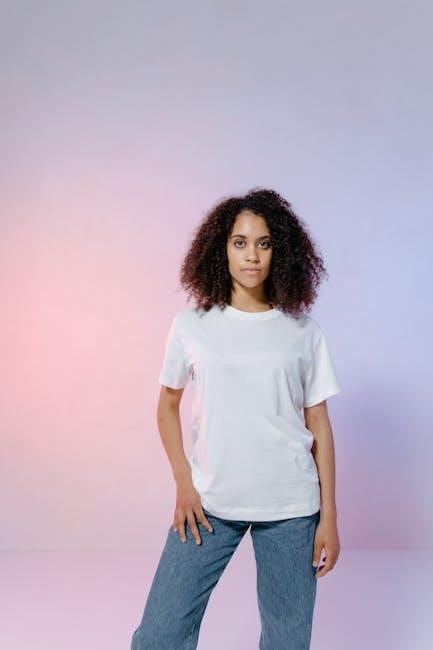
Determining body length is crucial for achieving a flattering silhouette. Measure from the highest point of the shoulder (where the collar meets) straight down to the desired hemline. Consider your personal preference and the shirt’s intended style – will you tuck it in, or wear it untucked?
Standard body lengths vary, impacting the overall look. A shorter body length is ideal for tucking, while a longer length suits untucked wear. Ensure the hem hits at a visually appealing point on your torso. Proper body length enhances proportion and comfort.
Standard Shirt Fits Explained
Understanding shirt fits is key to selecting a style that complements your body type. Each fit offers a distinct silhouette and level of comfort. Slim fit shirts are tailored closely to the body, creating a modern, streamlined look. Regular fit provides a classic, comfortable fit with moderate ease of movement.
Relaxed fit shirts offer a looser, more casual feel, while oversized fit shirts are intentionally roomy and trendy. Consider your build and desired aesthetic when choosing a fit. A well-chosen fit enhances your overall appearance and confidence.
Slim Fit Shirts
Slim fit shirts are designed to follow the natural lines of the body, offering a tailored and modern aesthetic. These shirts typically have a closer cut through the chest, waist, and sleeves, minimizing excess fabric. They’re ideal for those seeking a polished, streamlined appearance.
However, ensure adequate movement; a truly slim fit shouldn’t constrict. These shirts often work best with leaner builds. Consider the fabric; some slim fits in non-stretch materials may feel restrictive. Pair with tailored trousers or chinos for a sophisticated look.
Regular Fit Shirts
Regular fit shirts represent a classic and versatile style, offering a comfortable and balanced silhouette. These shirts provide ample room through the chest, waist, and sleeves without being overly baggy. They are a universally flattering option, suitable for various body types and occasions.
Regular fit allows for ease of movement and layering, making them a practical choice for everyday wear. They aren’t overly tailored, providing a relaxed yet presentable appearance. Pair them with chinos, jeans, or dress pants for a smart-casual or business-casual ensemble.
Relaxed Fit Shirts
Relaxed fit shirts prioritize comfort and a laid-back aesthetic, offering a noticeably looser silhouette than regular or slim fits. They feature generous room throughout the body, providing maximum breathability and unrestricted movement. This style is ideal for warmer climates or those who prefer a more casual look.
Relaxed fit shirts often have a slightly dropped shoulder and a straighter cut, contributing to their effortless vibe. They pair well with shorts, jeans, or lightweight trousers, creating a comfortable and stylish outfit. Consider this option for weekend wear or casual outings where comfort is key.
Oversized Fit Shirts
Oversized fit shirts are characterized by their intentionally large and roomy silhouette, offering a bold and trendy aesthetic. They provide a significantly looser fit than relaxed fit options, often featuring dropped shoulders and extended lengths. This style is popular for creating a fashion-forward, effortless look.
Oversized shirts can be styled in various ways, from pairing with fitted bottoms for balance to embracing a fully oversized ensemble. They are often favored for layering and offer a comfortable, unrestricted feel. Consider the fabric weight when choosing an oversized shirt, as heavier materials can add bulk.
Decoding Shirt Size Labels
Understanding shirt size labels is crucial for accurate fitting, as standards vary significantly across regions. US sizing is commonly used, but European, UK, and Asian sizes differ. European sizes often run larger than US sizes, while Asian sizes tend to be smaller.
Always check the brand’s specific size chart, as sizing can fluctuate even within the same region. Pay attention to whether the label indicates chest or body measurements. Familiarize yourself with conversion charts to translate between sizing systems. Ignoring these nuances can lead to frequent returns and frustration.
US Standard Sizing
US standard sizing for men’s shirts typically begins with Small (S), progressing through Medium (M), Large (L), Extra Large (XL), and 2XL, 3XL, and beyond. Chest measurements are key; Small generally fits 36-38 inches, Medium 39-41 inches, Large 42-44 inches, and XL 45-47 inches.
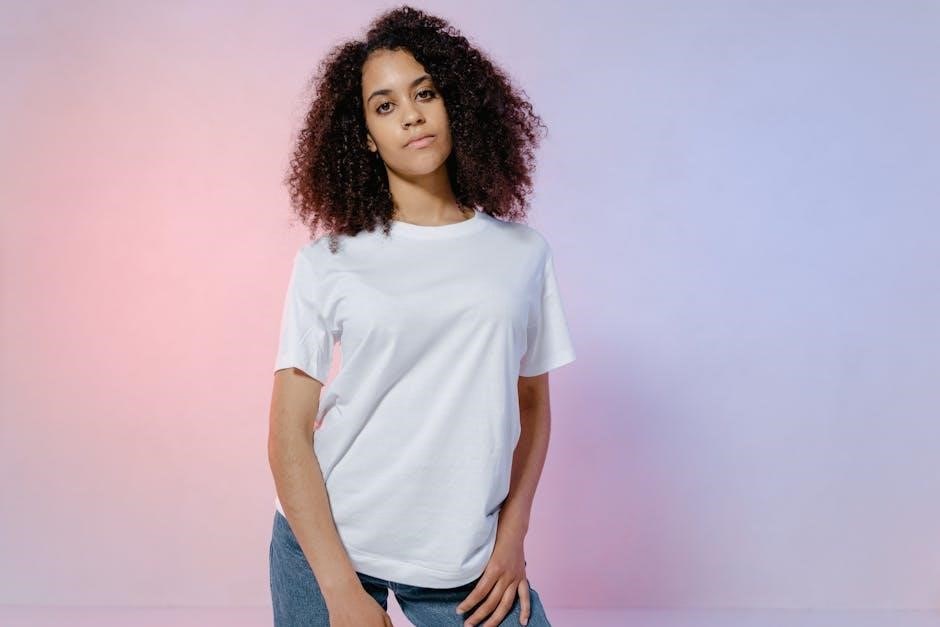
However, these are averages, and variations exist between brands. Sleeve length is also indicated (e.g., 32/33, 34/35). Women’s US sizing follows a similar pattern, but with different numerical ranges corresponding to bust measurements. Always consult the specific brand’s chart for the most accurate fit.
European Sizing
European shirt sizing utilizes a numerical system, typically ranging from 38 to 56 for men. This corresponds roughly to collar size in centimeters; 38 equates to about 38cm, and so on. Unlike US sizing, European sizes don’t always directly correlate with chest measurements, making brand charts crucial.
For women, European sizes are often denoted with letters like XS, S, M, L, but can also use numbers. There’s significant variation between brands, so relying on a size conversion chart isn’t always reliable. Always prioritize checking the specific retailer’s size guide for accurate measurements.

UK Sizing
UK shirt sizing traditionally focuses on collar size for men, measured in inches. Common sizes range from 14.5 inches to 19 inches, increasing in 0.5-inch increments. This system differs from US and European approaches, requiring careful conversion. Chest size is often indicated alongside the collar size, providing a more complete picture of fit.
For women’s shirts in the UK, sizing is similar to the US, utilizing sizes like 8, 10, 12, and so on. However, variations exist between brands, so consulting specific size charts is essential. Always double-check measurements to ensure a comfortable and flattering fit.
Asian Sizing
Asian sizing, particularly from manufacturers in China and other East Asian countries, generally runs smaller than US or European sizes. It’s crucial to carefully review size charts and consider ordering one or two sizes up. Measurements are often provided in centimeters, requiring conversion for those accustomed to inches.
Pay close attention to chest and shoulder measurements, as these are key indicators of fit. Variations exist between countries and brands within Asia, so avoid generalizations. Always prioritize checking the specific brand’s size guide before making a purchase to avoid disappointment.
Common Shirt Materials & Their Impact on Fit
The fabric composition significantly influences how a shirt fits and feels. Cotton, a popular choice, is prone to shrinkage, especially after the first wash, potentially altering the initial fit. Polyester blends offer greater stability and resist shrinking, maintaining their shape better over time;
Linen, known for its breathability, has a relaxed drape and often fits looser, while silk provides a luxurious feel with some natural stretch. Consider the material’s properties when selecting a size; a snug fit in cotton might become too tight after laundering.
Cotton Shirts & Shrinkage
Cotton’s natural fibers are susceptible to shrinking, particularly with the first wash and during high-heat drying. Pre-shrunk cotton minimizes this issue, but even then, some shrinkage can occur. To mitigate shrinkage, wash cotton shirts in cold water and tumble dry on a low setting, or ideally, hang to dry.
Consider buying a slightly larger size if you prefer a consistent fit after washing. Different cotton weaves react differently; heavier weaves tend to shrink more than lighter ones. Always check the care label for specific washing instructions to preserve the shirt’s size and shape.
Polyester Blend Shirts
Polyester blends offer increased durability and wrinkle resistance compared to 100% cotton. Polyester itself doesn’t shrink significantly, making these shirts a reliable choice for maintaining fit. However, the cotton component can still shrink, though to a lesser extent than in all-cotton garments.
Washing in cold water and low-heat drying are still recommended to preserve the overall shape and color. Polyester blends often have a smoother drape and retain their form well, offering a consistent fit wash after wash. Check the fabric composition on the label for the specific polyester-cotton ratio.
Linen Shirts & Drape
Linen is renowned for its breathability and relaxed aesthetic, but it presents unique fitting considerations; Unlike structured fabrics, linen drapes loosely, meaning it doesn’t conform tightly to the body. This creates a comfortable, airy feel, but requires careful attention to size selection.
Linen shirts often run larger than cotton or polyester blends, so consider sizing down if you prefer a more fitted look. Expect some wrinkling – it’s part of linen’s charm! Pre-shrinking can occur, so washing before wearing is advisable. The drape influences how the shirt hangs, favoring a relaxed silhouette.
Silk Shirts & Stretch
Silk shirts offer a luxurious feel and elegant drape, but their inherent properties impact fit. While often perceived as delicate, many silk fabrics possess a surprising amount of natural stretch, allowing for comfortable movement. However, this stretch isn’t uniform; it’s typically more pronounced in the weft (crosswise) direction.
When selecting a silk shirt, consider the weave. Charmeuse silk is known for its fluidity and drape, while heavier silks like dupioni offer more structure. Avoid overly tight fits, as silk can snag easily. The natural give of silk means sizing can be more forgiving, but always prioritize comfort and ease of movement.
Specific Shirt Types & Placement Considerations
Different shirt styles demand unique fitting approaches. T-shirts, generally worn casually, benefit from a closer fit without being restrictive, prioritizing comfort and freedom of movement. Dress shirts, conversely, require a more tailored silhouette, ensuring a polished appearance with attention to collar and cuff measurements.
Polo shirts strike a balance, offering a semi-formal look that necessitates a fit that isn’t too loose or tight. Button-down shirts present versatility; consider the intended use – a relaxed fit for everyday wear versus a slimmer cut for professional settings. Proper placement is key for each style.
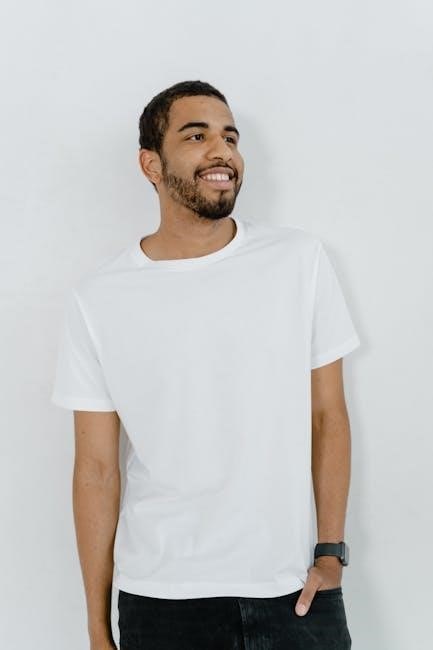
T-Shirt Placement & Fit
T-shirts prioritize comfort and a relaxed aesthetic. The shoulder seams should lie flat, and the sleeves shouldn’t extend past the mid-bicep. A snug, but not tight, fit across the chest and torso is ideal, allowing for ease of movement. The hem should fall naturally at the hip, avoiding excessive length or a cropped appearance.
Consider fabric weight; heavier materials often require a slightly looser fit. For a modern look, explore slimmer cuts, while a classic fit offers more room. Proper placement ensures the t-shirt complements your body shape, enhancing overall style.
Dress Shirt Placement & Fit

Dress shirts demand a more refined fit than casual tees. The collar should comfortably accommodate one or two fingers when buttoned, ensuring it doesn’t constrict. Shoulder seams must lie flat, and the sleeves should end where your wrist meets your hand, exposing about half an inch of cuff.
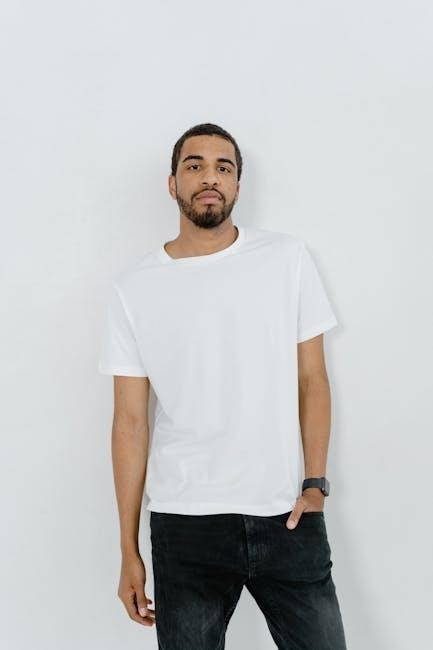
A streamlined silhouette is key; avoid excessive fabric bunching. The shirt should button comfortably without strain, and the length should be sufficient to tuck in neatly without coming untucked. Proper fit elevates your professional appearance and conveys confidence.
Polo Shirt Placement & Fit
Polo shirts offer a versatile middle ground between casual and refined. The collar should sit flat against the neck without gaping or feeling overly tight. Shoulder seams should align with the edge of your shoulders, allowing for comfortable movement. Sleeve length typically ends midway between the shoulder and elbow.
A well-fitted polo shirt skims the body without being restrictive. It shouldn’t be too tight across the chest or waist, nor should it billow excessively. The hem should fall at the hips, providing adequate coverage. Consider the fabric weight for optimal drape and comfort.
Button-Down Shirt Placement & Fit
Button-down shirts demand a precise fit for a polished appearance. The collar should comfortably accommodate one or two fingers when buttoned. Shoulder seams must lie flat, and the yoke should smoothly follow the back’s natural curve. Sleeve length should allow approximately ½ inch of shirt cuff to extend beyond the jacket sleeve.
A properly fitted shirt won’t pull when buttoned and will offer room for movement. The torso should be streamlined, avoiding excess fabric or tightness. The hem should be long enough to tuck in neatly or wear untucked with confidence, depending on the style.
Troubleshooting Common Fit Issues
Finding the perfect fit isn’t always straightforward. If a shirt feels too tight in the chest, consider sizing up or exploring cuts designed for broader builds. Conversely, shoulders that are too loose indicate a size down is needed. Sleeves too long can appear sloppy; opt for shorter lengths or tailoring.
Shirt length is crucial: too short looks awkward, while too long feels bulky. Don’t hesitate to utilize tailoring services for adjustments. Remember fabric composition impacts fit – cotton may shrink, while blends offer more stability.
Shirts Too Tight in the Chest
A shirt pulling across the chest is a common fit issue. This often signals you need to size up, allowing for comfortable movement and a flattering silhouette. Consider the fabric; non-stretch materials require more room. Explore shirt styles designed for athletic or broader builds, offering extra space.
Check your chest measurement against the size chart, ensuring a comfortable allowance. If sizing up affects other areas, tailoring can refine the fit. Avoid straining buttons, as this can damage the garment. Prioritize comfort and a polished appearance.
Shirts Too Loose in the Shoulders

Shoulder fit is crucial for a polished look. If a shirt feels loose at the shoulders, it likely means the shirt is too large. This impacts the overall drape and can make the garment appear ill-fitting. Pay close attention to the seam – it should sit directly at the edge of your shoulder.
Consider a smaller size or a more tailored fit like slim or regular. Alterations can also refine the shoulder fit, but significant changes can be costly. A properly fitted shoulder enhances your physique and elevates the shirt’s appearance.
Sleeves Too Long or Short
Sleeve length significantly impacts a shirt’s overall aesthetic. Ideally, sleeves should end at the wrist bone, allowing about half an inch of shirt cuff to extend past the wrist. Sleeves that are too long appear sloppy and can interfere with movement, while sleeves too short look disproportionate.
Check the shoulder seam to wrist measurement. If consistently off, consider different brands or sleeve length options (if available). Minor adjustments by a tailor are often effective. Proper sleeve length contributes to a refined and balanced silhouette, enhancing your style.
Shirt Length Issues
Proper shirt length is crucial for a polished look. Generally, a shirt should be long enough to tuck in comfortably without pulling out, or short enough to wear untucked without appearing overly boxy. The ideal length depends on the shirt style and your body type.
Consider the “V-shape” when untucked. The hem should fall at the midpoint of your fly. If consistently too long or short, explore different cuts or tailoring options. A well-fitted shirt length enhances proportions and contributes to a more flattering and confident appearance.
Resources for Finding Accurate Size Charts
Finding reliable size charts is essential for online shopping and ensuring a good fit. Brand-Specific Size Charts are the most accurate, as sizing varies significantly between manufacturers; check the retailer’s website.
Online Size Chart Tools offer generalized guidance, but may not account for specific brand variations. Professional Tailoring Services provide a customized solution, adjusting shirts for a perfect fit. Remember to measure yourself accurately and compare those measurements to the chart before purchasing.
Brand-Specific Size Charts
Prioritizing brand-specific size charts is crucial for accurate shirt fitting. Each clothing company often employs unique cut and sizing standards, deviating from generalized charts. Retailer websites typically feature detailed size guides for their products, often including measurement instructions.
These charts are the most reliable resource, as they reflect the specific dimensions of that brand’s garments. Look for charts that include measurements for chest, waist, shoulders, and sleeve length. Utilizing these resources minimizes the risk of ordering the wrong size and needing returns.
Online Size Chart Tools
Numerous online size chart tools can assist in determining your ideal shirt size. These platforms often request your body measurements – chest, waist, and height – and then suggest corresponding sizes across various brands. Some tools even allow you to input sizes you already own that fit well, providing a personalized recommendation.
However, remember these tools are estimations. They are helpful starting points, but brand-specific charts should always take precedence. Cross-reference the tool’s suggestion with the retailer’s size guide for the most accurate result, ensuring a comfortable and flattering fit.
Professional Tailoring Services
For a truly perfect fit, consider utilizing professional tailoring services. A skilled tailor can precisely adjust a shirt to your unique body shape, addressing issues that off-the-rack sizes often miss. This is particularly valuable for complex fits or expensive garments where a precise result is crucial.
Tailors can alter various aspects of a shirt, including sleeve length, shoulder width, and body shape. While an added expense, the investment ensures a polished look and maximum comfort. Don’t hesitate to seek expert advice for achieving a flawless silhouette.