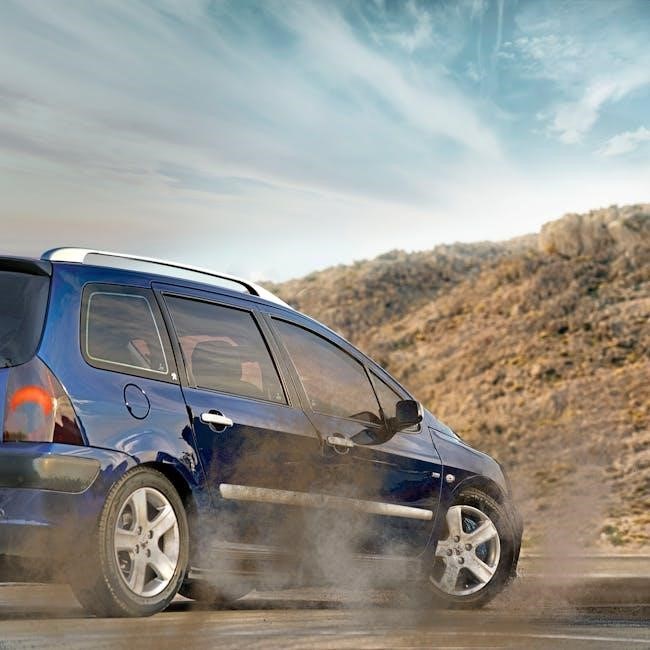
Montana Drivers Manual 2024: A Comprehensive Guide

Montana, a vast state bordering Canada, presents unique driving challenges․ This guide offers essential information for navigating Montana’s roads,
covering laws,
safety,
and procedures for both new and experienced drivers․
Prepare for breathtaking landscapes and diverse conditions!
Welcome to the 2024 Montana Driver’s Manual! This comprehensive resource is meticulously designed to equip all Montana drivers – whether novice permit holders or seasoned motorists – with the crucial knowledge needed for safe and responsible operation of a motor vehicle within the state’s boundaries․ Montana’s expansive landscapes, ranging from rugged Rocky Mountain terrain to open plains, demand a heightened awareness of driving conditions and adherence to specific traffic regulations․
This manual serves as your primary guide to understanding Montana’s traffic laws, road signs, and safe driving practices․ It details the procedures for obtaining a driver’s license, navigating the Graduated Driver Licensing (GDL) program, and ensuring your vehicle meets all state requirements for registration and inspection․ Furthermore, it provides vital information regarding alcohol and driving, including DUI penalties and Implied Consent Laws․
The 2024 edition incorporates the latest updates to Montana’s driving regulations, ensuring you have access to the most current and accurate information available․ Prioritize safety, respect the law, and enjoy the freedom of the open road in Montana!
Obtaining a Montana Driver’s Manual
Accessing the 2024 Montana Driver’s Manual is straightforward, offering multiple convenient options for prospective and current drivers․ The Montana Department of Justice Motor Vehicle Division (MVD) provides a free digital version available for download directly from their official website․ This downloadable PDF format allows for easy access on computers, tablets, and smartphones, enabling study anytime, anywhere․
For those who prefer a physical copy, printed manuals are obtainable at all Montana MVD offices located throughout the state․ Visiting your local MVD office provides an opportunity to ask questions and receive personalized assistance․ A nominal fee may apply for the printed version to cover production costs․
Additionally, some Montana public libraries may stock copies of the driver’s manual․ Checking with your local library is a worthwhile option․ Ensure you are utilizing the 2024 edition to guarantee you have the most up-to-date information regarding Montana’s driving laws and regulations․ Staying informed is key to safe driving!
Understanding Montana’s Traffic Laws
Montana’s traffic laws are designed to ensure the safety of all road users, given the state’s unique geographical challenges and varying road conditions․ Drivers must familiarize themselves with these regulations to operate a vehicle legally and responsibly․ Key areas include right-of-way rules, particularly in rural intersections where visibility can be limited, and speed limits which can differ significantly between urban areas and open highways․
Montana operates under a basic speed law, meaning drivers must adjust their speed to suit prevailing conditions, even if it’s below the posted limit․ Understanding laws regarding lane usage, passing, and turning signals is crucial․ Furthermore, Montana has specific regulations concerning the operation of ATVs and snowmobiles on public roads․
Drivers should be aware of the state’s strict stance on distracted driving, including cell phone use․ Regular review of the Montana Driver’s Manual is highly recommended to stay current with any legislative changes and ensure full compliance with all traffic laws․ Prioritizing knowledge promotes safer roads for everyone․
Speed Limits in Montana
Montana’s speed limits are varied, reflecting the diverse landscapes and road types across the state․ On most rural highways, the maximum speed limit is 75 mph during daylight hours, but this can be reduced to 65 mph at night or during inclement weather․ Within city and town limits, speed limits are typically lower, often ranging from 25 to 35 mph, and are clearly posted․
It’s crucial to remember Montana operates under a “basic speed law,” requiring drivers to adjust their speed to suit conditions, regardless of the posted limit․ This is particularly important given the potential for wildlife crossings, gravel roads, and unpredictable weather․ School zones and construction areas have significantly reduced speed limits, which must be strictly observed․
Drivers should pay close attention to signage, as speed limits can change frequently․ Exceeding the speed limit carries substantial fines and potential points on your driving record․ Safe driving involves not only adhering to posted limits but also exercising caution and judgment based on the surrounding environment․
Right-of-Way Rules in Montana
Understanding right-of-way rules is paramount for safe driving in Montana, a state known for its rural roads and potential for unexpected encounters․ Generally, vehicles approaching an intersection must yield to traffic already within the intersection or approaching on the right, unless otherwise indicated by signs or signals․
When encountering a four-way stop, the driver reaching the intersection first has the right-of-way․ If multiple vehicles arrive simultaneously, the vehicle on the left yields to the vehicle on the right․ Pedestrians always have the right-of-way in crosswalks, and drivers must yield to them․
Montana law also dictates yielding to emergency vehicles with flashing lights and sirens․ Drivers must pull over to the right and stop until the emergency vehicle has passed․ Be particularly cautious at uncontrolled intersections and when merging onto highways, always yielding to maintain a safe flow of traffic․ Defensive driving and awareness are key to navigating Montana’s roadways․
Montana’s Laws Regarding Alcohol and Driving
Montana maintains strict laws concerning alcohol and driving, prioritizing public safety on its often-remote roadways․ The legal blood alcohol concentration (BAC) limit for drivers in Montana is 0․08%․ This applies to all drivers 21 years of age or older․ Drivers under 21 face a zero-tolerance policy, meaning any detectable amount of alcohol in their system constitutes a violation․
Montana operates under “implied consent” laws, meaning by operating a vehicle on public roads, drivers agree to submit to chemical tests (breath, blood, or urine) if lawfully arrested for suspicion of DUI․ Refusal to submit to testing can result in immediate license suspension, independent of any DUI conviction․
Open container laws prohibit possessing open alcoholic beverage containers in a vehicle, with limited exceptions for passengers in the back seat of certain vehicles․ These laws are rigorously enforced, and violations can lead to significant fines and penalties․ Always prioritize sober driving or arrange for a designated driver․
DUI Penalties in Montana (2024)
Montana imposes substantial penalties for Driving Under the Influence (DUI) convictions, escalating with each subsequent offense․ A first-time DUI offense can result in fines ranging from $600 to $1,000, potential jail time of up to six months, and license suspension for up to one year․ Court-ordered substance abuse evaluation and treatment are frequently mandated․
Second and subsequent DUI offenses carry significantly harsher penalties, including increased fines (potentially exceeding $10,000), longer jail sentences (potentially several years), and extended license revocation periods․ Repeat offenders may also be required to install ignition interlock devices in their vehicles․
Aggravating factors, such as a high BAC level, causing an accident resulting in injury or death, or having a minor passenger in the vehicle, can lead to even more severe penalties․ Legal representation is strongly advised for anyone facing DUI charges in Montana to navigate the complex legal process and understand their rights․
Implied Consent Laws in Montana

Montana operates under “implied consent” laws, meaning that by operating a motor vehicle on Montana roads, drivers are deemed to have given their consent to submit to chemical tests – typically breath, blood, or urine – to determine their blood alcohol content (BAC) or the presence of drugs․ This consent is implied, even if not explicitly stated․
If a law enforcement officer has probable cause to believe a driver is under the influence, they can request a chemical test․ Refusal to submit to such a test carries significant consequences, independent of whether the driver is ultimately found guilty of DUI․ Refusal results in an automatic license suspension, potentially for a longer duration than a first-time DUI conviction․
Furthermore, a refusal can be used as evidence against the driver in court․ While drivers have the right to consult with an attorney, the window for doing so before a test is requested may be limited․ Understanding these implied consent laws is crucial for all Montana drivers․
Montana Seat Belt Laws
Montana’s seat belt laws are primary enforcement laws, meaning a law enforcement officer can stop a vehicle solely for a seat belt violation․ This applies to all occupants of a vehicle, not just the driver and front-seat passengers․ All drivers and passengers, regardless of age or seating position, are required to be properly restrained by a seat belt while the vehicle is in motion․
Children under 16 years of age are subject to more stringent requirements․ They must be restrained by a child restraint system – a car seat or booster seat – that is appropriate for their age, height, and weight․ The specific requirements vary based on the child’s developmental stage․
Failure to comply with Montana’s seat belt laws can result in a civil penalty, typically a fine․ However, the primary goal of these laws is to enhance safety and reduce the risk of serious injury or fatality in the event of a crash․ Properly wearing a seat belt significantly increases survival chances․
Driver Licensing Requirements in Montana
To obtain a Montana driver’s license, applicants must meet specific requirements related to age, identification, and testing․ Generally, individuals must be at least 16 years old to apply, though restrictions apply to younger drivers through the Graduated Driver Licensing (GDL) program․ Proof of legal presence in the United States is mandatory, typically a birth certificate or valid passport․
Applicants are required to pass both a vision test and a knowledge test covering Montana traffic laws and safe driving practices․ A driving skills test is also necessary to demonstrate proficiency behind the wheel․ This test assesses the applicant’s ability to operate a vehicle safely and follow traffic regulations․
New residents of Montana have a limited timeframe – usually 60 days – to obtain a Montana driver’s license․ Transferring a valid license from another state may waive certain testing requirements, but verification of driving history is still necessary․ Fees apply for all license applications and renewals․
Learner’s Permit Requirements
Montana’s learner’s permit is the first step towards obtaining a full driver’s license for individuals aged 15 ½ to 17․ Applicants must be at least 15 years and 6 months old to be eligible․ They need to provide proof of identity and legal presence, similar to the requirements for a full license, such as a birth certificate․
To obtain a permit, applicants must pass a vision test and a written knowledge test focusing on Montana traffic laws, road signs, and safe driving practices․ Successful completion of these tests demonstrates a basic understanding of driving regulations․ A parent or guardian’s consent is required for applicants under 18․
With a learner’s permit, drivers are restricted to driving with a licensed driver who is at least 21 years old in the passenger seat․ Specific restrictions apply regarding driving hours and passenger limitations, particularly during the initial phases of the GDL program․ The permit is valid for a specified period, typically one year․
Graduated Driver Licensing (GDL) Program
Montana’s Graduated Driver Licensing (GDL) program is designed to gradually introduce new drivers to the responsibilities of operating a vehicle․ This phased approach aims to reduce risks associated with inexperienced drivers by imposing specific restrictions․ The program consists of three stages: the learner’s permit phase, the intermediate license phase, and the full driver’s license․
During the intermediate license phase, drivers under 18 have restrictions on nighttime driving – generally prohibited between 11 PM and 5 AM – and limitations on the number of non-family passengers allowed in the vehicle․ These restrictions are in place for a minimum period, typically six months, and are designed to minimize distractions․
Successful completion of the intermediate phase, along with meeting age requirements and maintaining a clean driving record, allows drivers to obtain a full, unrestricted driver’s license․ The GDL program emphasizes supervised driving experience and responsible behavior to cultivate safe driving habits․
Vehicle Registration and Insurance in Montana
Montana law mandates that all vehicles operated on public roads must be properly registered with the Montana Motor Vehicle Division (MMVD)․ Registration requirements involve submitting necessary documentation, including proof of ownership, and paying applicable fees, which vary based on vehicle type and weight․ Renewal is typically required annually․
Vehicle insurance is also legally required in Montana․ Drivers must maintain minimum liability coverage, protecting against financial responsibility in case of accidents causing bodily injury or property damage․ Proof of insurance must be readily available when requested by law enforcement․
Montana offers various registration options, including permanent plates for a higher initial fee, and temporary permits for short-term vehicle use․ Failure to register a vehicle or maintain valid insurance can result in fines, penalties, and potential vehicle impoundment․ Ensuring compliance with these regulations is crucial for legal and safe driving within the state․

Montana Vehicle Inspection Requirements
Montana generally does not require periodic safety inspections for most vehicles․ Unlike many states, there isn’t a routine inspection process to ensure vehicles meet specific safety standards before being driven on public roads․ However, this doesn’t mean vehicles are exempt from safety regulations․
Law enforcement officers can conduct roadside inspections if they have reasonable suspicion that a vehicle is unsafe or violating equipment laws․ These inspections focus on critical components like brakes, tires, lights, and steering․ Vehicles involved in accidents are also subject to inspection to determine contributing factors․
Commercial vehicles, including those operating for hire or transporting hazardous materials, are subject to more stringent inspection requirements enforced by both state and federal agencies․ Maintaining a vehicle in safe operating condition remains the responsibility of the owner, regardless of inspection mandates․ Addressing any safety concerns promptly is vital for preventing accidents and ensuring road safety for everyone․
Understanding Montana Road Signs
Montana’s vast landscapes and diverse road conditions necessitate a strong understanding of road signs․ Drivers must be able to quickly and accurately interpret signs to navigate safely and legally․ Montana utilizes the standard Manual on Uniform Traffic Control Devices (MUTCD) system, meaning signs are generally consistent with those found throughout the United States․
Road signs fall into three main categories: regulatory, warning, and guide signs․ Regulatory signs inform drivers of laws and regulations, such as speed limits or no-passing zones․ Warning signs alert drivers to potential hazards ahead, like curves, intersections, or wildlife crossings․ Guide signs provide information about destinations, routes, and services․
Due to Montana’s rural areas and wildlife populations, drivers should pay particular attention to warning signs related to animals, especially deer․ Familiarizing yourself with the shapes and colors associated with each sign type is crucial for safe driving․ Regularly reviewing the Montana Driver’s Manual reinforces proper sign recognition․
Common Montana Road Signs and Their Meanings
Several road signs are particularly prevalent and important for drivers in Montana․ The yellow diamond-shaped warning sign indicates potential hazards․ A deer silhouette within this sign warns of frequent deer crossings, demanding increased vigilance, especially at dawn and dusk․ Curve warning signs signal upcoming winding roads, requiring reduced speed․
Regulatory signs include the standard speed limit signs (often posted in miles per hour) and those indicating no passing zones․ Red octagonal stop signs require a complete halt before proceeding․ Yield signs (inverted triangle) demand drivers give way to oncoming traffic․ Guide signs, often green or blue, direct drivers to cities, towns, and highways․
Montana also utilizes specific signs related to its unique environment․ Watch for signs indicating gravel roads or livestock crossings․ Understanding these common signs, and regularly reviewing the Montana Driver’s Manual, is vital for safe and compliant driving throughout the state’s diverse terrain․
Navigating Montana’s Unique Road Conditions
Montana’s vast landscape presents drivers with diverse and often challenging road conditions․ Many roads, particularly in rural areas, are two-lane highways with limited visibility and potential for wildlife crossings․ Gravel roads are common, requiring reduced speeds and careful steering to maintain control․
The Rocky Mountains dominate much of the state, leading to steep grades and winding mountain passes․ Drivers should utilize lower gears when ascending or descending these inclines to prevent overheating or loss of braking control․ Be prepared for sudden changes in weather, even during summer months․
Winter conditions bring snow, ice, and reduced visibility․ Four-wheel drive or all-wheel drive vehicles are highly recommended․ Always check road conditions before traveling, and be prepared for delays or closures․ Understanding these unique conditions and adjusting driving habits accordingly is crucial for safety․
Safe Driving Practices for Montana’s Weather
Montana’s weather can change rapidly, demanding adaptable and cautious driving practices․ Summer brings potential for afternoon thunderstorms, reducing visibility and creating slick road surfaces due to oil accumulation․ Drivers should slow down and increase following distance during rainfall․
Autumn introduces the risk of frost and early snow, particularly in higher elevations․ Be alert for black ice, a nearly invisible coating of ice that significantly reduces traction․ Winter demands preparedness for heavy snowfall, blizzards, and extreme cold․ Ensure your vehicle is winterized with appropriate tires, fluids, and a winter emergency kit․
Reduce speed significantly in adverse weather, and avoid sudden braking or steering maneuvers․ Utilize headlights to enhance visibility, and be aware of reduced daylight hours during fall and winter․ Regularly check road conditions and heed any travel advisories issued by the Montana Department of Transportation․
Emergency Procedures in Montana
Montana’s vastness and variable terrain necessitate preparedness for roadside emergencies․ If your vehicle becomes disabled, safely pull over to the shoulder, activate hazard lights, and remain calm․ Assess the situation and determine if you can safely resolve the issue yourself․
If assistance is needed, call 911 for emergencies or the Montana Highway Patrol for non-emergency situations․ Provide your exact location, a description of the problem, and any relevant details․ Be aware that cell service can be spotty in remote areas․
Carry a well-stocked emergency kit including a first-aid kit, flashlight, jumper cables, warm clothing, blankets, water, and non-perishable food․ In winter, include an ice scraper, shovel, and sand or kitty litter for traction․ If stranded in severe weather, stay with your vehicle and conserve fuel․
Reporting Accidents in Montana
Montana law dictates specific procedures for reporting traffic accidents․ Any accident resulting in injury, death, or property damage exceeding $300 must be reported to the Montana Highway Patrol or local law enforcement agency․ Prompt reporting is crucial for insurance claims and legal purposes․
When reporting, provide accurate details including the date, time, and location of the accident, as well as the names and contact information of all involved parties․ Include vehicle information, insurance details, and a clear description of the events leading to the collision․
A Montana Motor Vehicle Crash Report (Form MV-19) may be required․ This form can be obtained from the Montana Department of Justice website or a local law enforcement agency․ Filing a false report is a criminal offense․ Always cooperate fully with investigating officers and document all interactions․
Resources for Montana Drivers (2024)
Montana offers a wealth of resources to support drivers and ensure road safety․ The Montana Department of Transportation (MDT) website (https://www․mdt․mt․gov/) provides access to the official Montana Driver’s Manual, online services for vehicle registration and licensing, and real-time traffic information․
For detailed traffic laws and regulations, consult the Montana Code Annotated (MCA), specifically Title 61, Motor Vehicles․ The Montana Highway Patrol (https://dojmt․gov/highway-patrol/) offers safety tips and information on enforcement efforts․
AAA Montana (https://montana․aaa․com/) provides roadside assistance, driver education courses, and advocacy for safe driving practices․ Additionally, local county government websites often contain information on local road conditions and regulations․ Stay informed and drive safely throughout the Big Sky Country!