Accu‑Chek Guide Strips Overview
Accu‑Chek Guide strips are designed for the Accu‑Chek Guide meter, offering rapid, accurate glucose readings․ They require a 0․4 µL blood sample and deliver results in 15 seconds․ Pack sizes range from 50 to 100 strips, all FSA/HSA‑eligible They support 0․4 µL samples for precise results fast today for patients
Key features and intended use for diabetic glucose monitoring
Accu‑Chek Guide strips are engineered for use with the Accu‑Chek Guide meter, delivering rapid, reliable glucose measurements essential for daily diabetes management․ Each strip requires a minimal 0․4 µL blood sample, enabling quick finger‑stick testing without excessive blood loss․ The strips are pre‑treated with a proprietary enzyme blend that reacts with glucose, producing a measurable color change that the meter interprets in 15 seconds․ This fast read‑time allows patients to make immediate treatment decisions, especially during hypoglycemic episodes or when adjusting insulin doses․ The strips are available in 50‑ and 100‑count packs, with each pack containing a unique serial number for traceability and quality assurance․ They are FDA‑cleared, meeting stringent accuracy standards, and are HSA/FSA‑eligible, providing cost savings for patients with health savings or flexible spending accounts․ The strips are designed for easy storage: keep them in a cool, dry place, away from direct sunlight, and ensure the cap remains sealed until use․ Proper storage preserves the enzyme activity and prevents premature expiration․ The Accu‑Chek Guide system is compatible with a wide range of meter models, ensuring that users can switch between devices without compromising data integrity․ The strips’ low sample volume and rapid read‑time make them ideal for patients who require frequent monitoring, such as those on intensive insulin therapy or with tight glycemic targets․ Overall, Accu‑Chek Guide strips combine precision, convenience, and affordability, making them a staple for effective diabetes self‑management․
For optimal performance, calibrate the meter regularly according to the manufacturer’s guidelines, and replace the strip cartridge every 30 days or sooner if the meter indicates a low battery․ The strips’ expiration dates are printed on the packaging; using strips past their expiration can lead to inaccurate readings․ Users should also avoid exposing strips to extreme temperatures, as heat can degrade the enzyme and cold can cause condensation, both affecting accuracy․ When traveling, keep strips in a dedicated pouch to protect them from moisture․ By following these practices, patients can rely on consistent, accurate glucose readings that support informed treatment decisions and improve long‑term health outcomes․
Remember to discard any unused strips after the expiry date and to store new strips in their original packaging until ready for use daily!
Product Availability and Purchasing Channels
Accu‑Chek Guide strips are sold on Amazon․com in 50‑ and 100‑count packs․ Prices vary by seller, with some offering Prime free shipping․ Third‑party vendors may list lower prices but check for authenticity․ Availability is typically 1–2 days with standard shipping․ Check seller ratings to avoid counterfeits now!!․
Amazon listings, price variations and shipping options

Accu‑Chek Guide strips appear on Amazon in 50‑count and 100‑count packs․ The base price for a 50‑count pack is typically around $12․99, while a 100‑count pack averages $24․99․ However, third‑party sellers often list the same packs at lower prices, sometimes as low as $10․49 for 50 strips or $21․99 for 100 strips․ These discounts can be due to bulk discounts, promotional coupons, or seller‑specific pricing strategies․ Amazon’s “Subscribe & Save” program offers an additional 5–10% discount on recurring orders, which can reduce the effective price to $11․69 for 50 strips or $22․49 for 100 strips․ Shipping options vary by seller: some provide free Prime shipping for orders over $25, while others charge $3․99 for standard shipping․ Amazon’s “Prime” shipping can guarantee delivery within 1–2 days for eligible items, whereas non‑Prime customers may experience 3–5 business days․ For the most reliable purchase, check the seller’s rating, read customer reviews, and confirm that the product is listed as “Amazon’s Choice” or “Best Seller” in the category․ Additionally, verify that the product listing indicates “FSA/HSA eligible” to ensure insurance coverage․ Always compare the total cost, including shipping, before finalizing the purchase to avoid hidden fees or longer delivery times․
Customers who rely on Accu‑Chek Guide strips value the meter’s compatibility with insulin pens and glucometer accessories; The strips’ small sample size and rapid read time make them ideal for on‑the‑go monitoring, especially during travel or in clinical settings where quick decisions matter․ Choosing a reputable seller and verifying authenticity helps maintain confidence in glucose management and avoid costly errors․ and stay confident
Sample volume, measurement range and read‑time details
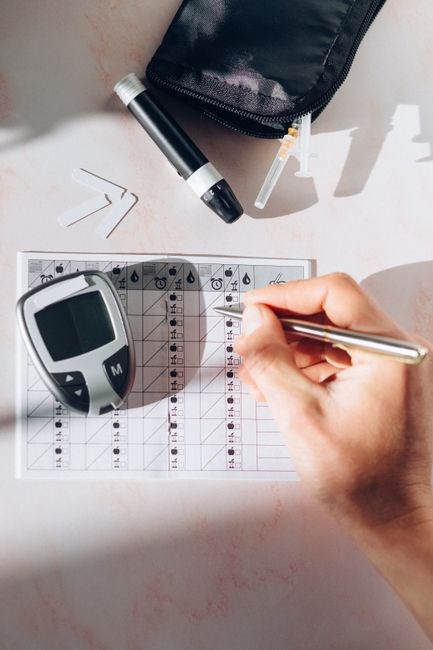
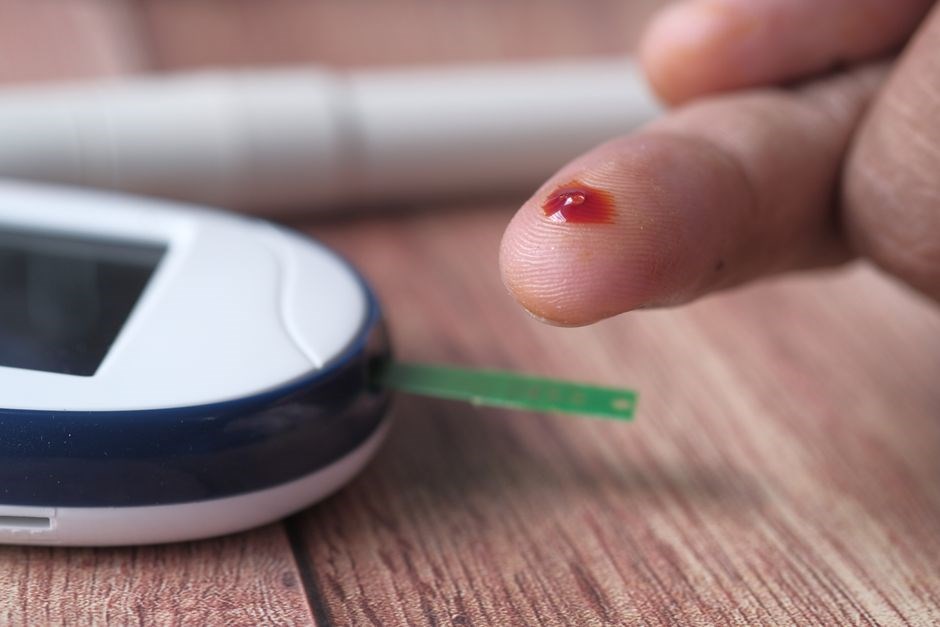
Accu‑Chek Guide strips are engineered for the Accu‑Chek Guide meter, requiring a 0․4 µL blood sample that is absorbed through a micro‑channel onto an electrochemical sensor․ The meter’s measurement range spans 20–600 mg/dL (1․1–33․3 mmol/L), covering hypoglycemia, normal fasting, post‑prandial, and hyperglycemic states․ Read‑time is 15 seconds, a standard for modern glucometers, and the device displays results on a 2‑digit LCD with high‑contrast colors for low‑light visibility․ Accuracy is verified against ISO 15197:2013, with a ±15% error at 20–70 mg/dL and ±15% at 70–400 mg/dL, ensuring reliable readings for clinical decisions․ The micro‑channel design ensures the 0․4 µL sample is fully absorbed, preventing evaporation and guaranteeing a stable electrochemical reaction․ The meter’s firmware cross‑checks the sample volume via a built‑in sensor, rejecting any reading that deviates by more than ±0․05 µL to maintain precision․ The 20–600 mg/dL range is segmented into three zones: 20–70 mg/dL, 70–400 mg/dL, and 400–600 mg/dL, each with its own tolerance band to meet ISO standards․ Read‑time of 15 seconds is achieved by a rapid electrode response and a short data‑processing window, allowing users to obtain results while still in motion․ The device’s internal temperature sensor compensates for ambient variations, preventing erroneous results during travel or outdoor use․ Accuracy stays consistent! Overall, the combination of minimal sample volume, wide measurement range, rapid read‑time, and robust accuracy makes Accu‑Chek Guide strips a reliable choice for daily glucose monitoring․
Meter Compatibility and Inter‑Device Variations
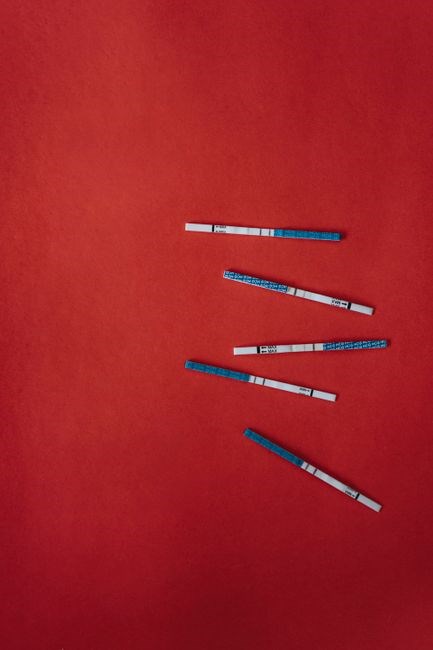
Accu‑Chek Guide strips work exclusively with the Accu‑Chek Guide meter․ Using them on a OneTouch Ultra or other non‑Roche devices yields inaccurate or no readings․ Cross‑compatibility is not supported; each meter’s chemistry and calibration are unique․!!
Comparisons with OneTouch Ultra and potential reading discrepancies
When users switch between Accu‑Chek Guide strips and a OneTouch Ultra meter, they often notice subtle differences in glucose values․ The primary cause is the distinct enzymatic reactions: Accu‑Chek Guide employs glucose oxidase with a peroxidase‑based detector, whereas OneTouch Ultra uses glucose oxidase coupled to a different chromogenic system․ These biochemical pathways generate varying signal intensities, leading to slight deviations, especially at low and high glucose ranges․ Additionally, the sample volume requirement differs—Accu‑Chek Guide needs 0․4 µL, while OneTouch Ultra typically uses 0․5 µL—affecting the concentration of glucose on the strip and altering the final reading․ Calibration algorithms are meter‑specific; Accu‑Chek Guide’s firmware applies a proprietary correction factor for hematocrit variations, whereas OneTouch Ultra’s algorithm uses a linear model․ Consequently, a patient measuring 120 mg/dL on Accu‑Chek Guide might read 125 mg/dL on OneTouch Ultra, a discrepancy that can influence insulin dosing decisions․ Users should therefore maintain consistency with one device type for trend analysis and clinical decision‑making․ If switching is unavoidable, a 48‑hour overlap period is recommended to establish a baseline and adjust insulin calculations accordingly․ Finally, environmental factors such as temperature and humidity can differentially affect strip chemistry; Accu‑Chek Guide strips are validated between 59–77 °F, while OneTouch Ultra tolerates 50–90 °F, potentially widening discrepancies in extreme climates․ Awareness of these variables helps patients interpret readings more accurately and avoid unnecessary treatment adjustments․ Consistent use of the same strip type is essential for reliable glucose monitoring!
Regulatory Status and Insurance Eligibility
Accu‑Chek Guide strips are FDA‑cleared for home glucose monitoring and qualify as HSA/FSA‑eligible medical supplies․ They meet ISO 15197:2013 accuracy standards, ensuring reliable readings․ Insurance coverage varies; many plans reimburse these strips under diabetes supplies․ Verify coverage before purchase now
HSA and FSA eligibility criteria for Accu‑Chek Guide strips
Accu‑Chek Guide strips are FDA‑approved and meet ISO 15197:2013 accuracy standards, making them suitable for glucose monitoring․ Classified as medical supplies, they qualify for Health Savings Account (HSA) and Flexible Spending Account (FSA) reimbursement under IRS Section 125 rules․ To be eligible, strips must be purchased from a licensed retailer or manufacturer listed on the HSA/FSA database․ The strips must be used with an Accu‑Chek Guide meter, which is also HSA/FSA‑eligible․ When submitting a claim, the user must retain the original receipt, including the manufacturer’s name, product code, and purchase date․ The IRS allows reimbursement for the full retail price up to annual HSA/FSA limits, provided the items are used for medical purposes․ Some insurers may require a prescription or medical necessity statement from a licensed provider, especially if strips are used for a chronic condition such as diabetes․ Eligibility also depends on strips being sold in the United States; imports may not qualify unless listed in the HSA/FSA database․ Check the latest eligibility status on the official HSA/FSA website or contact the plan administrator before purchasing․ By ensuring compliance, patients can maximize tax‑advantaged savings while maintaining accurate glucose monitoring with Accu‑Chek Guide strips․
When filing a claim, keep the receipt and any prescription or medical necessity note․ Submit via the HSA/FSA portal; keep records for IRS audits․ All done․ Enjoy! Check!?
Check expiration dates and store strips in a cool, dry place before use․
Counterfeit Concerns and Legal Actions
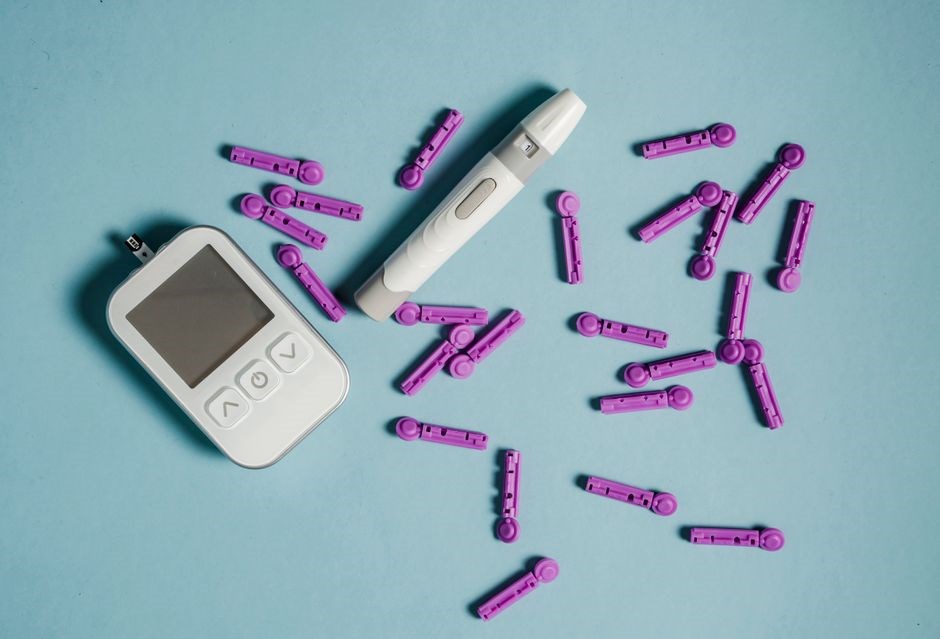
Roche sued counterfeit sellers on Amazon, alleging expired or fake Accu‑Chek strips․ The suit claims safety risks and brand damage․ Roche demands removal, fines, and consumer protection․ Buyers should verify seller authenticity and avoid unverified listings․ Safe use․
Roche’s lawsuit against counterfeit manufacturers on Amazon
Roche Diagnostics Corp․, a leading global diagnostics company, filed a lawsuit in 2024 against several manufacturers and sellers based in India who were distributing counterfeit Accu‑Chek Guide blood glucose test strips on Amazon․ The complaint alleges that these counterfeit products were sold under the Accu‑Chek brand name, misrepresenting their authenticity and quality, and that they contained expired or sub‑standard reagents that could lead to inaccurate blood glucose readings․ Roche claims that the counterfeit strips pose a serious safety risk to patients who rely on accurate glucose monitoring to manage their diabetes, potentially leading to misdiagnosis, inappropriate insulin dosing, and severe health complications․ The lawsuit seeks injunctive relief to halt the sale of counterfeit strips, monetary damages for lost sales and reputational harm, and punitive damages for the deceptive conduct․ Roche also requests that Amazon remove all listings of counterfeit Accu‑Chek Guide strips and that the defendants cease all marketing of these products․ The complaint cites specific instances where counterfeit strips were sold for significantly lower prices than legitimate Roche products, and where buyers reported receiving expired or defective strips that produced erroneous readings․ Roche argues that the counterfeit products undermine consumer confidence in its brand and in the broader diabetes care market․ The lawsuit is part of a broader effort by Roche to protect its intellectual property and ensure that patients have access to reliable, FDA‑approved diagnostic tools․ Roche’s legal action underscores the importance of verifying product authenticity on e‑commerce platforms and highlights the potential dangers of counterfeit medical devices․ The outcome of the case could set a precedent for how e‑commerce marketplaces handle counterfeit medical supplies and could lead to stricter enforcement of brand protection laws․ Roche’s attorneys are preparing to present evidence of the counterfeit manufacturers’ supply chains, the distribution networks used on Amazon, and the financial impact on Roche’s legitimate sales․ The case is expected to be heard in federal court, and Roche anticipates that a favorable ruling will deter future counterfeit attempts and protect patients from inaccurate glucose monitoring․ The lawsuit also serves as a warning to other manufacturers that counterfeit distribution on major online platforms can result in significant legal and financial consequences․ Roche’s commitment to patient safety and product integrity remains a priority, and the company is actively monitoring the market for any further counterfeit activity․ This legal action demonstrates Roche’s proactive stance in safeguarding the accuracy of diabetes care and maintaining the trust of patients worldwide․ Additionally, Roche has engaged with regulatory agencies to enhance enforcement mechanisms and to educate consumers about the risks of counterfeit medical devices․ The company has also launched a public awareness campaign encouraging patients to verify product authenticity through official channels and to report suspicious listings to Amazon and relevant authorities․ In the meantime, Roche has requested Amazon to implement stricter seller verification processes and to monitor listings for counterfeit claims․ The company’s legal team is also exploring potential partnerships with cybersecurity firms to detect and prevent the distribution of counterfeit medical supplies online․ Roche’s lawsuit is expected to influence future e‑commerce policies and may lead to tighter regulations on the sale of medical devices across digital marketplaces․
Proper Storage, Handling, and Shelf Life
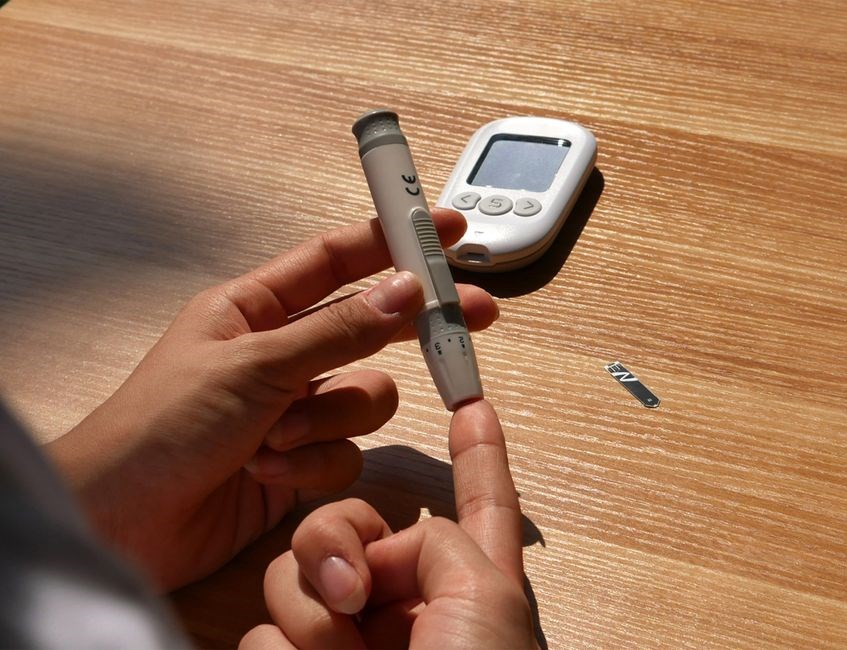
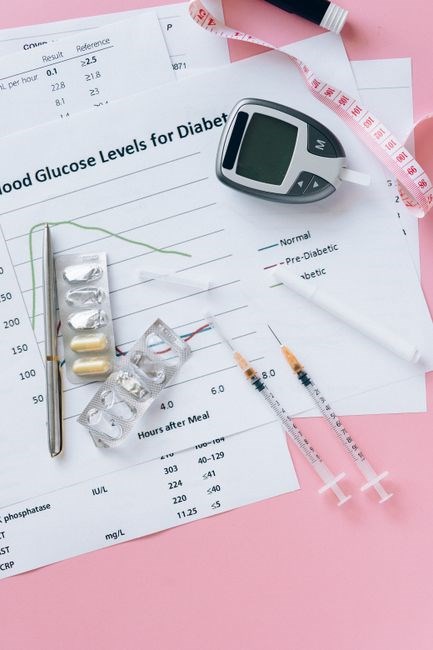
Keep strips in their sealed box, store at 2–30 °C, away from moisture and direct light․ Avoid freezing or high heat․ Use within the 12‑month shelf life stamped on the pack․ Check expiration before each use to maintain accuracy․ Keep in a cool, dry place․ No heat․
Recommendations for maintaining strip accuracy and preventing expiration issues
To preserve Accu‑Chek Guide strip accuracy, keep unopened packs sealed and store them at 2–30 °C, away from direct sunlight, moisture, and temperature extremes․ Avoid freezing, high heat, or humidity, which can degrade the enzyme coating and cause false lows․ Keep strips in their original blister packs or a sealed container; never expose the strip tips to air․ Before each use, verify the expiration date printed on the box and discard any that are past‑due or show discoloration․ Use a strip holder or a dedicated drawer to rotate stock, ensuring the oldest packs are used first․ Store the meter in a cool, dry place, and keep its battery charged; a low‑power meter can misread values; Avoid storing strips near chemicals, strong odors, or pets that may chew on the packaging․ When traveling, keep strips in a small, insulated pouch to protect them from temperature swings․ If you notice any change in strip color or a sticky, damp feel, replace them immediately․ Regularly check the meter’s calibration status and follow the manufacturer’s instructions for maintenance․ By adhering to these storage practices, you reduce the risk of expiration‑related inaccuracies and maintain reliable glucose monitoring․
Keep strips sealed, avoid extreme heat or humidity, and always check the expiration date before use․ Rotate stock, using older packs first, and store the meter in a cool, dry place with a charged battery․ Never use expired strips, as they can give inaccurate readings․ Use a strip holder to keep strips organized and prevent accidental exposure to air and keep them dry